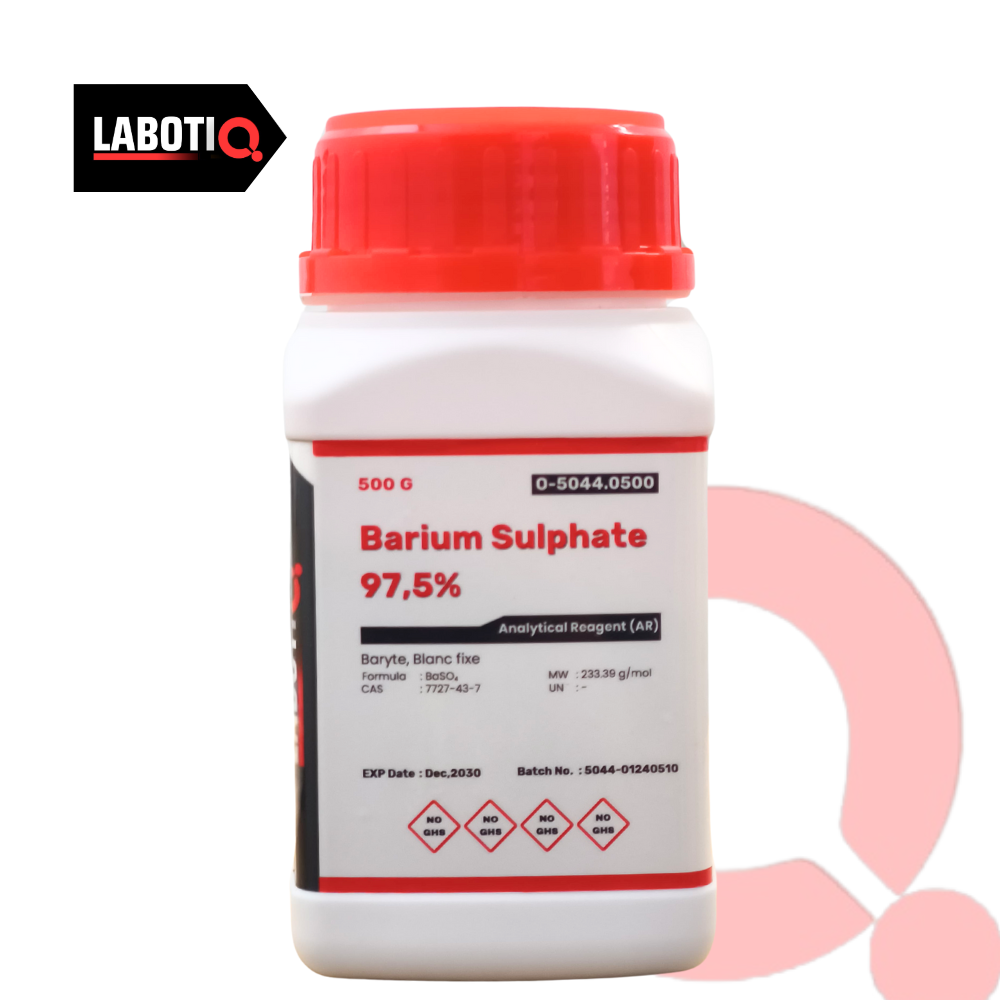
Barium Sulphate 97.5% AR 500 gr

SKU : O-5044.0500
CAS : 7727-43-7
Formula : BaSO₄
Grade : AR

Barium sulfate (BaSO4) is primarily used as a radiopaque contrast agent to improve the visualization of the gastrointestinal tract (esophagus, stomach, and intestines) during X-ray or CT scans, aiding in the diagnosis of various conditions.

Here’s a more detailed breakdown:
  • Medical Imaging:
    • Barium sulfate is ingested or administered rectally, coating the GI tract and making it appear opaque on X-rays or CT scans, allowing doctors to see the shape and structure of the digestive organs more clearly. 
    • This helps in identifying conditions like strictures, ulcers, tumors, and other abnormalities. 
    • It is also used in barium swallow studies to assess swallowing function. 
  • Other Uses:
    • Oil Well Drilling: Barium sulfate is used as a component in oil well drilling fluids to increase their density. 
    • Plastics: It can be used as a filler to increase the density of polymers in plastics. 
    • Paint and Coatings: Barium sulfate is used as a filler or to modify the consistency in oil paints and other coatings. 
    • Manufacturing: It is used in the manufacturing of alloys. 

Share :

Barium sulfate (or sulphate) is the inorganic compound with the chemical formula BaSO4. It is a white crystalline solid that is odorless and insoluble in water. It occurs in nature as the mineral barite, which is the main commercial source of barium and materials prepared from it. Its opaque white appearance and its high density are exploited in its main applications.
Although soluble salts of barium are moderately toxic to humans, barium sulfate is nontoxic due to its insolubility. The most common means of inadvertent barium poisoning arises from the consumption of soluble barium salts mislabeled as BaSO4. In the Celobar incident (Brazil, 2003), nine patients died from improperly prepared radiocontrast agent. In regards to occupational exposures, the Occupational Safety and Health Administration set a permissible exposure limit at 15 mg/m3, while the National Institute for Occupational Safety and Health has a recommended exposure limit at 10 mg/m3. For respiratory exposures, both agencies have set an occupational exposure limit at 5 mg/m

TINDAKAN PENCEGAHAN UNTUK PENANGANAN YANG AMAN

Untuk tindakan pencegahan lihat bagian 2.2 dalam SDS.


KONDISI PENYIMPANAN YANG AMAN, TERMASUK KETIDAKCOCOKAN

a. Kondisi penyimpanan

Tertutup sangat rapat. Kering.

Suhu penyimpanan : Rekomendasi suhu penyimpanan lihat pada label produk.

b. Kelas penyimpanan

Kelas penyimpanan Jerman (TRGS 510): 13: Zat-zat Padat yang tidak mudah terbakar

Related products

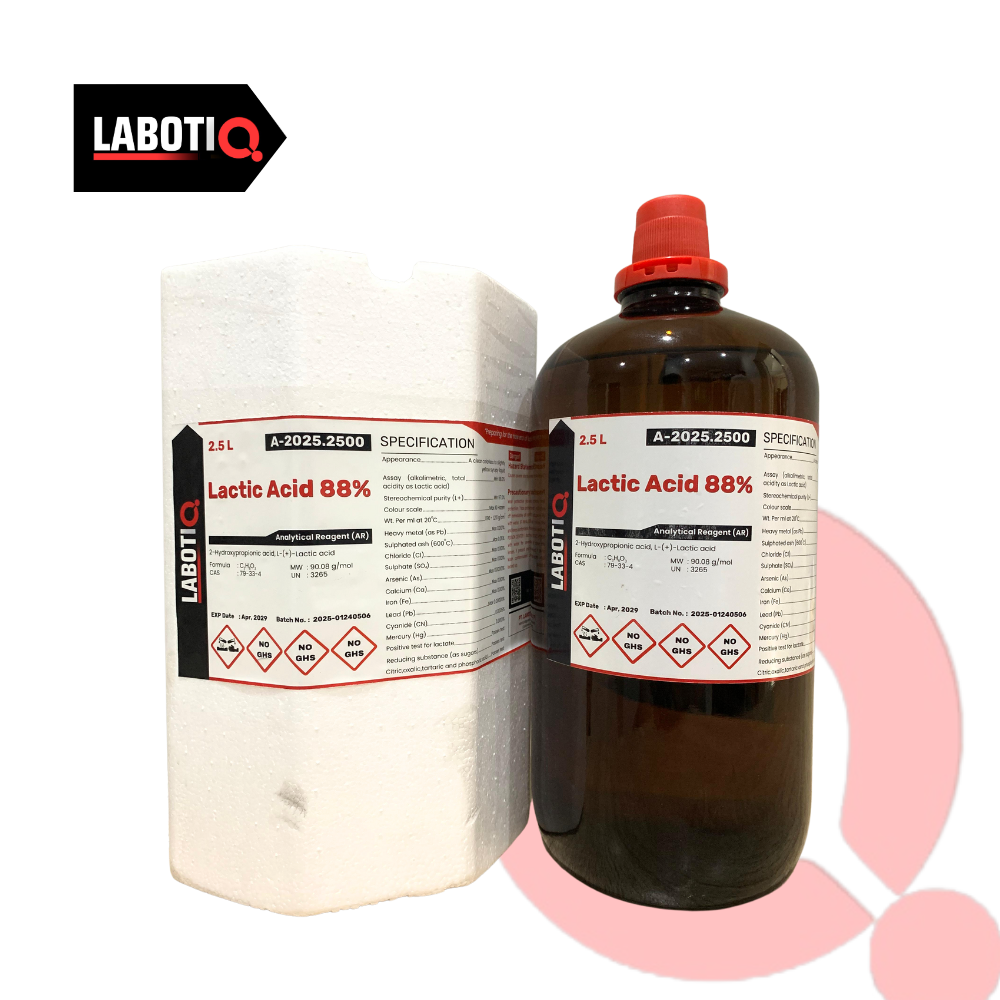
Lactic acid 88% AR 2,5 L

CAS : 79-33-4
SKU : A-2025.2500

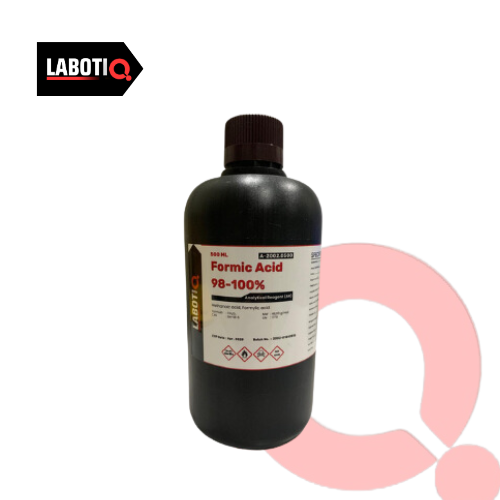
Formic Acid 98-100% AR 500 mL

CAS : 64-18-6
SKU : A-2002.0500

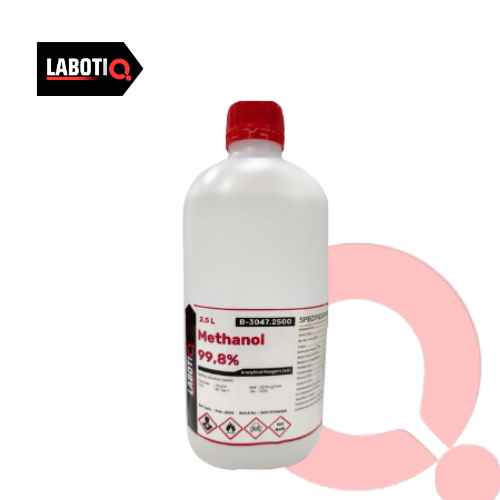
Methanol 99,8% AR 2,5 L

CAS : 67-56-1
SKU : B-3047.2500

COA Search

Open Consultation
LABOTIQ
Hello
Can we help you?