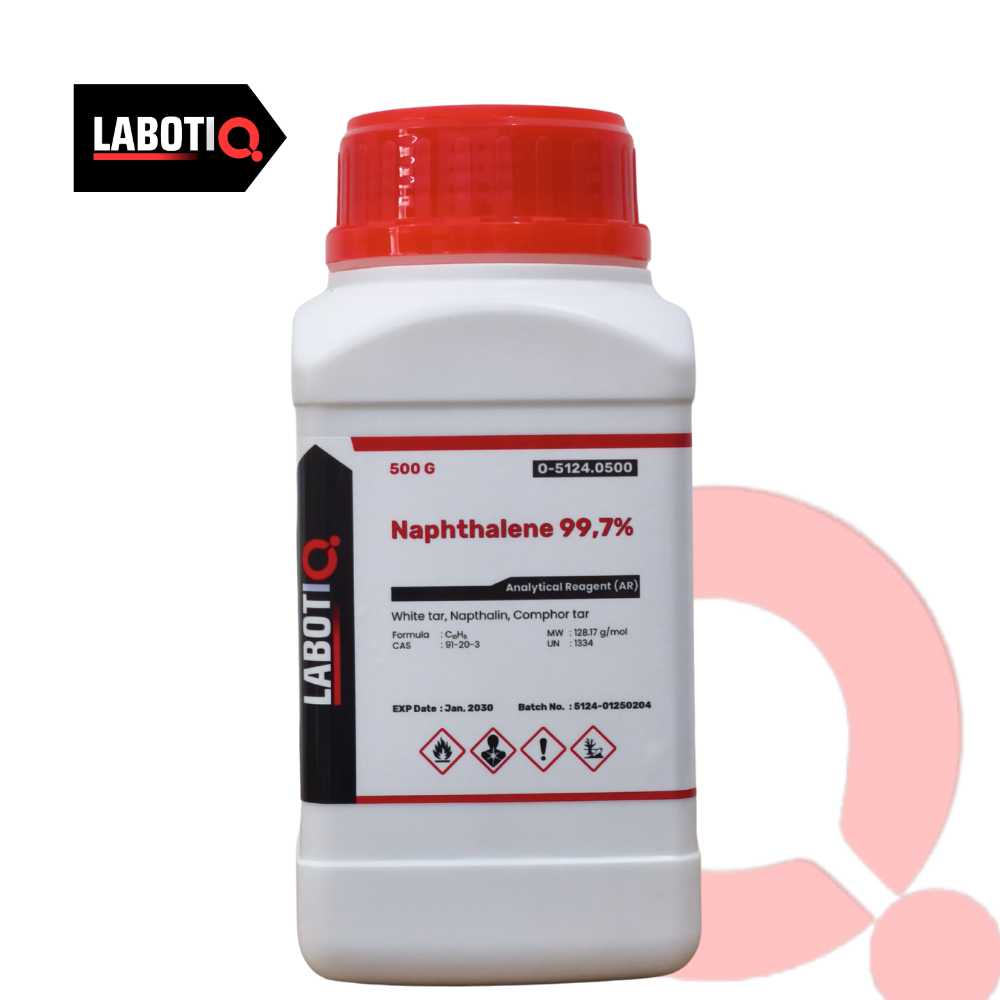
Naphthalene 99.7% AR 500 gr

SKU : O-5124.0500
CAS : 91-20-3
Formula : C10H8
Grade : AR

Naphthalene is used mainly as a precursor to derivative chemicals. The single largest use of naphthalene is the industrial production of phthalic anhydride, although more phthalic anhydride is made from o-xylene.

Some of the uses of naphthalene are :

  • Making mothballs
  • Making PVC
  • Making insecticides
  • Making dyes
  • Making toilet deodorant blocks
  • Making phthalic anhydride, which is used to make pharmaceuticals and resins

Share :

Naphthalene is an organic compound with formula C10H8. It is the simplest polycyclic aromatic hydrocarbon, and is a white crystalline solid with a characteristic odor that is detectable at concentrations as low as 0.08 ppm by mass. As an aromatic hydrocarbon, naphthalene’s structure consists of a fused pair of benzene rings. It is the main ingredient of traditional mothballs.
Exposure to large amounts of naphthalene may damage or destroy red blood cells, most commonly in people with the inherited condition known as glucose-6-phosphate dehydrogenase (G6PD) deficiency, from which approximately 400 million people suffer. Humans, in particular children, have developed the condition known as hemolytic anemia, after ingesting mothballs or deodorant blocks containing naphthalene. Symptoms include fatigue, lack of appetite, restlessness, and pale skin. Exposure to large amounts of naphthalene may cause confusion, nausea, vomiting, diarrhea, blood in the urine, and jaundice (yellow coloration of the skin due to dysfunction of the liver).The US National Toxicology Program (NTP) held an experiment where male and female rats and mice were exposed to naphthalene vapors on weekdays for two years. Both male and female rats exhibited evidence of carcinogenesis with increased incidences of adenoma and neuroblastoma of the nose. Female mice exhibited some evidence of carcinogenesis based on increased incidences of alveolar and bronchiolar adenomas of the lung, while male mice exhibited no evidence of carcinogenesis.The International Agency for Research on Cancer (IARC) classifies naphthalene as possibly carcinogenic to humans and animals (Group 2B). The IARC also points out that acute exposure causes cataracts in humans, rats, rabbits, and mice; and that hemolytic anemia (described above) can occur in children and infants after oral or inhalation exposure or after maternal exposure during pregnancy. A probable mechanism for the carcinogenic effects of mothballs and some types of air fresheners containing naphthalene has been identified.

TINDAKAN PENCEGAHAN UNTUK PENANGANAN YANG AMAN

a. Saran tentang penanganan yang aman

Kenakan pakaian pelindung. Jangan menghirup zat/campuran.

b. Saran tentang perlindungan terhadap kebakaran dan ledakan

Jauhkan dari nyala terbuka, permukaan panas, dan sumber penyulut.Lakukan dengan hatihati tindakan melawan lucutan statis.

c. Tindakan kebersihan

Segera ganti pakaian yang terkontaminasi. Gunakan krim pelindung kulit. Cuci tangan dan muka setelah bekerja dengan bahan tersebut. Untuk tindakan pencegahan lihat bagian 2.2 dalam SDS.


KONDISI PENYIMPANAN YANG AMAN, TERMASUK KETIDAKCOCOKAN

a. Kondisi penyimpanan

Tertutup sangat rapat. Jauhkan dari panas dan sumber api.

Suhu penyimpanan : Rekomendasi suhu penyimpanan lihat pada label produk.

b. Kelas penyimpanan

Kelas penyimpanan Jerman (TRGS 510): 4.1B: Bahan berbahaya padat yang mudah terbakar

Related products

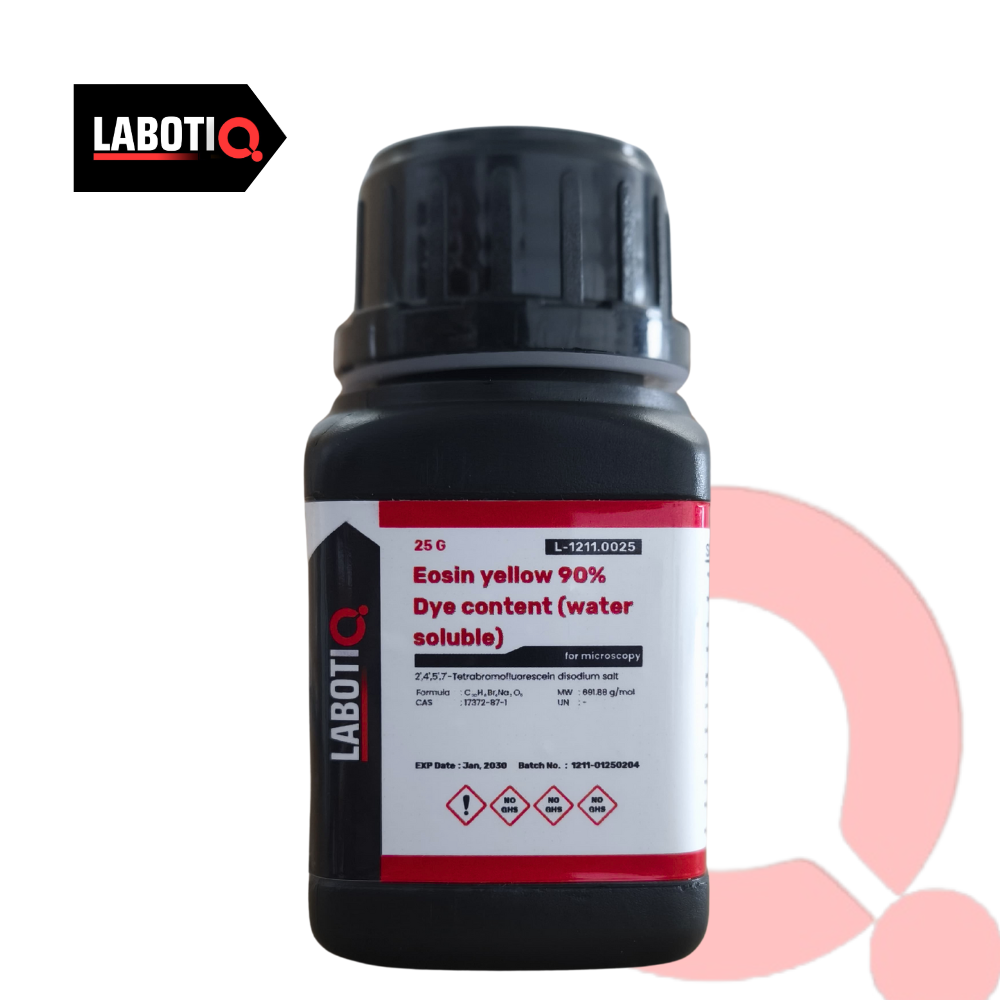
Eosin yellow 90% Dye content for microscopy (water soluble) 25 gr

CAS : 17372-87-1
SKU : L-1211.0025

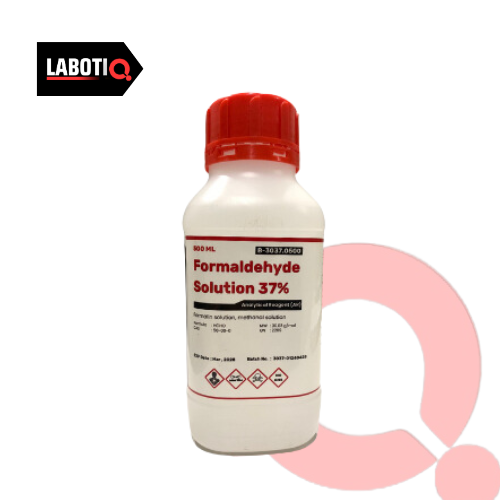
Formaldehyde Solution 37 % AR 500 mL

CAS : 5-00-0
SKU : B-3037.0500

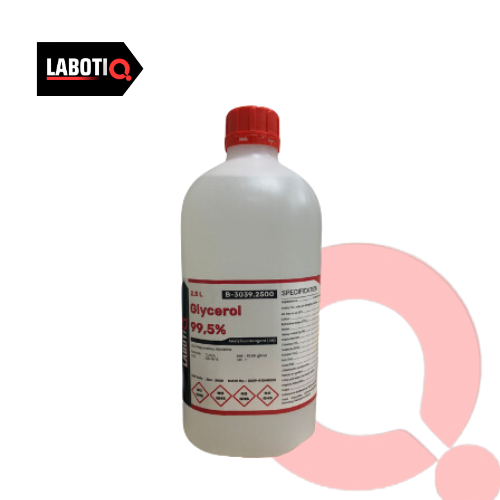
Glycerol 99.5 % AR 2,5 L

CAS : 56-81-5
SKU : B-3039.2500

COA Search

Open Consultation
LABOTIQ
Hello
Can we help you?